
10 Essential Camping Tips for First-Time Campers
Camping is one of the most rewarding outdoor activities you can experience. Whether you're looking to escape the hustle and bustle of city life, reconnect with nature, or simply spend quality time with family and friends, camping offers an unparalleled adventure. However, for first-time campers, the prospect of venturing into the wilderness can feel overwhelming. With proper preparation and knowledge, you can transform your camping experience from stressful to spectacular. This comprehensive guide will walk you through ten essential camping tips that will help you make the most of your outdoor adventure.
Tip 1: Invest in Quality Camping Gear
One of the most critical aspects of successful camping is having the right equipment. While you don't need to break the bank, investing in quality gear will make a significant difference in your comfort and safety in the outdoors.
Choosing the Right Tent
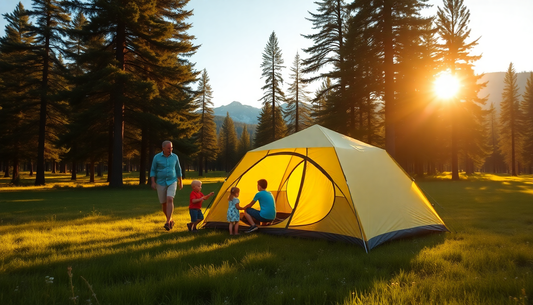
Your tent is your home away from home, so selecting the right one is paramount. When choosing a tent, consider the season in which you'll be camping, the number of people it needs to accommodate, and the climate conditions you'll face. A three-season tent is ideal for most first-time campers, as it provides adequate protection for spring, summer, and fall camping. Make sure your tent has good ventilation to prevent condensation buildup, and check that the floor is waterproof to keep moisture out. Additionally, consider the tent's weight and packability if you plan to hike to your campsite.
Essential Sleeping Equipment
A comfortable sleeping setup is crucial for a good night's rest in the wilderness. Invest in a quality sleeping bag rated for the temperatures you'll encounter. Sleeping bags are rated by temperature, and it's important to choose one appropriate for your destination. A sleeping pad is equally important, as it provides insulation from the cold ground and adds comfort. There are several types of sleeping pads available, including foam pads, inflatable pads, and self-inflating pads. Each has its advantages, so research which type best suits your needs.
Cooking and Food Storage
Proper cooking equipment and food storage are essential for both your comfort and safety. A camping stove, cookware, and utensils are necessary for preparing meals. Additionally, you'll need a cooler to keep perishable foods fresh and prevent wildlife from accessing your food. Many campsites require bear-proof food storage containers, so check your destination's regulations before your trip.
Tip 2: Plan Your Campsite Carefully
Selecting the right campsite can make or break your camping experience. Whether you're camping at an established campground or in the backcountry, careful planning is essential.
Research Your Destination
Before heading out, thoroughly research your camping destination. Look for information about the terrain, weather patterns, wildlife, and available amenities. Check if the campground requires reservations and what facilities are available, such as water sources, restrooms, and fire rings. Understanding what to expect will help you pack appropriately and mentally prepare for your adventure.
Arrive Early
If possible, arrive at your campsite early in the day. This gives you plenty of daylight to set up your tent, familiarize yourself with the surroundings, and complete any necessary tasks before darkness falls. Arriving early also allows you to choose the best available campsite if you're at a first-come, first-served location.
Site Selection Criteria
When selecting your specific campsite, look for level ground that's free of rocks and roots that could be uncomfortable to sleep on. Avoid camping directly under dead trees or branches that could fall during the night. Position your tent away from water sources to minimize insect activity and reduce the risk of flooding. Additionally, consider the direction of the sun and wind when setting up your tent to optimize comfort and protection.
Tip 3: Master the Art of Packing
Efficient packing is crucial for a successful camping trip. Overpacking can make your gear difficult to transport, while underpacking can leave you unprepared for unexpected situations.
Create a Comprehensive Packing List
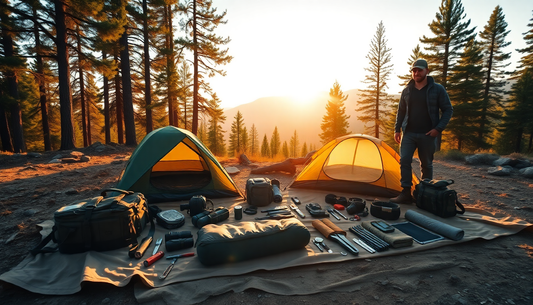
Before you start packing, create a detailed checklist of everything you'll need. Organize items by category, such as shelter, sleeping gear, cooking equipment, clothing, and personal items. This systematic approach ensures you don't forget essential items and helps you identify any gaps in your preparation.
Pack Smart and Light
When packing, prioritize items by importance and frequency of use. Pack heavier items at the bottom of your backpack and lighter items on top. Keep frequently used items easily accessible. Consider the weight of each item and look for lightweight alternatives where possible. Multi-purpose items are particularly valuable for camping, as they reduce the overall weight and volume of your pack.
Organize Your Gear
Use stuff sacks or dry bags to organize and protect your gear. This not only keeps items organized but also protects them from moisture and makes it easier to find what you need. Color-coding your bags can further streamline the process of locating specific items.
Tip 4: Understand and Respect Wildlife
Encountering wildlife is one of the thrills of camping, but it's crucial to approach these encounters safely and respectfully.
Learn About Local Wildlife
Research the wildlife in your camping area before you go. Understanding which animals are present, their behavior patterns, and how to coexist safely with them is essential. Some areas have bears, while others might have mountain lions, snakes, or other wildlife. Knowing what to expect allows you to take appropriate precautions.
Practice Proper Food Storage
One of the most important wildlife safety measures is proper food storage. Store all food, toiletries, and scented items in bear-proof containers or hang them from a tree branch at least twelve feet high and six feet away from tree trunks. Never leave food unattended at your campsite, and clean up immediately after meals. This practice protects both you and the wildlife.
Maintain a Safe Distance
If you encounter wildlife, maintain a safe distance and never attempt to feed animals. Wildlife that becomes accustomed to human food can become aggressive and dangerous. Observe animals from afar and use binoculars or a camera with a zoom lens to get a closer look without disturbing them.
Make Noise While Hiking
When hiking in areas with bears or other large wildlife, make noise to alert animals to your presence. Clap your hands, talk, or use a bear bell to give wildlife a chance to move away before you encounter them. This reduces the likelihood of surprising an animal, which could lead to a dangerous confrontation.
Tip 5: Prepare for Weather Changes
Weather in the outdoors can be unpredictable, and being prepared for various conditions is essential for your safety and comfort.
Check the Forecast
Before your trip, check the weather forecast for your destination. While forecasts aren't always accurate, they provide a general idea of what to expect. Pay attention to temperature ranges, precipitation chances, and wind conditions. This information will help you pack appropriate clothing and gear.
Pack Versatile Clothing
Bring clothing that can be layered to adapt to changing temperatures. A base layer, insulating layer, and waterproof outer layer provide flexibility for various weather conditions. Include extra socks and a warm hat, as these items are crucial for maintaining body temperature. Even in summer, bring a light jacket or sweater for cool evenings.
Prepare for Rain
Rain is a common occurrence in many camping areas, so be prepared. Ensure your tent is waterproof and consider bringing a tarp to place under your tent for additional protection. Pack a rain jacket and rain pants, and keep your gear in waterproof bags. If you're hiking, bring a lightweight rain cover for your backpack.
Protect Yourself from Sun
Sun exposure is a significant concern in outdoor environments. Bring sunscreen with a high SPF rating and reapply it regularly, especially after swimming or sweating. Wear a hat and sunglasses to protect your face and eyes. Consider bringing lightweight, long-sleeved clothing for additional sun protection.
Tip 6: Master Basic Camping Skills
Developing fundamental camping skills will significantly enhance your outdoor experience and increase your self-sufficiency.
Learn to Start and Maintain a Campfire
If campfires are permitted at your location, knowing how to start and maintain one safely is valuable. Gather tinder, kindling, and firewood before attempting to start a fire. Use the tinder to catch the initial spark or flame, then gradually add larger pieces of wood as the fire grows. Always keep water or a fire extinguisher nearby, and never leave a fire unattended. Completely extinguish your fire before leaving your campsite or going to sleep.
Develop Cooking Skills
Camping cooking doesn't need to be complicated, but having basic skills will improve your meals and overall experience. Practice using your camping stove before your trip, and learn simple recipes that require minimal ingredients and equipment. One-pot meals, foil packet dinners, and no-cook options are excellent choices for camping.
Navigation Basics
Even if you're camping at an established campground, basic navigation skills are valuable. Bring a map and compass, and learn how to use them. If you're hiking, mark your trail and stay on established paths. Consider bringing a GPS device or using a smartphone app for navigation, but don't rely solely on technology, as batteries can die and signals can be lost.
First Aid Knowledge
Having basic first aid knowledge can be lifesaving in remote areas. Take a first aid course before your trip, and bring a well-stocked first aid kit. Know how to treat common camping injuries such as cuts, blisters, sprains, and insect bites. Understanding how to recognize and respond to more serious conditions like hypothermia or heat exhaustion is also important.
Tip 7: Practice Leave No Trace Principles
Responsible camping means minimizing your impact on the environment and leaving natural areas as pristine as possible for future generations.
Plan Ahead and Prepare
Proper planning reduces your environmental impact. Know the regulations of your camping area, understand the terrain, and prepare accordingly. This prevents unnecessary damage to vegetation and soil.
Travel and Camp on Durable Surfaces
Stick to established trails and campsites to minimize damage to vegetation. Camp on durable surfaces like rock, gravel, or established campsites rather than on vegetation. When hiking, spread out to avoid creating new trails.
Dispose of Waste Properly
Pack out all trash, including food scraps and toilet paper. Use established restrooms when available, or dig a cathole at least 200 feet away from water sources if necessary. Never leave any waste behind, no matter how small.
Leave What You Find
Don't pick flowers, remove rocks, or take anything from nature. Leave the environment as you found it so others can enjoy it. This also helps preserve the ecosystem and wildlife habitat.
Minimize Campfire Impact
Use established fire rings when available, and keep fires small. Completely extinguish fires before leaving. Consider using a camping stove instead of a campfire to minimize environmental impact.
Respect Wildlife
Observe wildlife from a distance and never feed animals. Keep noise levels low to avoid disturbing wildlife and other campers. Store food properly to prevent wildlife from becoming dependent on human food.
Be Considerate of Other Visitors
Keep noise levels reasonable, especially during early morning and evening hours. Respect other campers' privacy and space. Leave campsites clean for the next visitors.
Tip 8: Develop a Realistic Itinerary
Planning your camping activities helps you make the most of your time while avoiding overexertion or boredom.
Balance Activity and Rest
Plan a mix of activities and downtime. Include hiking, exploring, and other activities you enjoy, but also schedule time to relax, read, or simply enjoy nature. This balance prevents exhaustion and allows you to fully appreciate your surroundings.
Consider Your Fitness Level
Be realistic about your physical capabilities. If you're not an experienced hiker, don't plan strenuous hikes on your first camping trip. Start with shorter, easier trails and gradually increase difficulty as you gain experience and fitness.
Plan Meals and Snacks
Outline your meals for each day and plan accordingly. Bring enough food and water, and consider bringing extra snacks for energy during activities. Proper nutrition and hydration are crucial for maintaining energy and enjoying your trip.
Build in Flexibility
While planning is important, leave room for spontaneity and flexibility. Weather changes, unexpected discoveries, or simply changing your mind about activities are all part of the camping experience. Don't be so rigid with your itinerary that you can't adapt to circumstances.
Tip 9: Prioritize Safety and Health
Your safety and health should always be your top priority when camping.
Stay Hydrated
Dehydration is a common problem in outdoor environments, especially at higher elevations or in hot weather. Drink water regularly throughout the day, even if you don't feel thirsty. Bring a water filter or purification tablets to ensure your water is safe to drink. Avoid excessive caffeine and alcohol, as these can contribute to dehydration.
Maintain Proper Hygiene
Good hygiene prevents illness and infection while camping. Wash your hands regularly, especially before eating and after using the restroom. Bring biodegradable soap and wash at least 200 feet away from water sources. Keep your campsite clean to prevent attracting insects and wildlife.
Protect Against Insects
Insects can be a significant nuisance and potential health hazard. Bring insect repellent and apply it to exposed skin. Wear long sleeves and pants during dawn and dusk when insects are most active. Check yourself for ticks regularly, and remove them promptly if found. Consider bringing antihistamine cream for insect bites.
Know When to Seek Help
Understand the limitations of your skills and knowledge. If you encounter a situation beyond your ability to handle, don't hesitate to seek help. Know the location of the nearest ranger station or emergency services, and carry a communication device if possible.
Tip 10: Embrace the Experience and Have Fun
Finally, remember that camping is meant to be enjoyable. Embrace the experience and focus on the positive aspects of being in nature.
Disconnect from Technology
One of the greatest benefits of camping is the opportunity to disconnect from the constant demands of technology. Leave your phone on silent or off, and resist the urge to check emails and social media. Use this time to be present and fully engaged with your surroundings and companions.
Appreciate Nature
Take time to appreciate the natural beauty around you. Watch the sunrise and sunset, listen to the sounds of nature, and observe the wildlife. Photography can be a wonderful way to capture memories, but don't let it distract you from experiencing the moment.
Connect with Companions
Camping is an excellent opportunity to strengthen relationships with family and friends. Engage in meaningful conversations, play games, and share experiences. These connections and memories will last long after your camping trip ends.
Learn and Grow
Each camping trip is an opportunity to learn new skills and challenge yourself. Embrace the learning process, and don't be discouraged by mistakes or difficulties. Every challenge overcome builds confidence and competence for future adventures.
Reflect and Recharge
Use your camping time to reflect on your life and recharge your mental and physical batteries. The peace and tranquility of nature can provide perspective and reduce stress. Return home refreshed and rejuvenated.
Conclusion
Camping as a first-time camper can seem daunting, but with proper preparation and the right mindset, it becomes an incredibly rewarding experience. By investing in quality gear, planning carefully, developing essential skills, and respecting the environment, you set yourself up for success. Remember that camping is a journey of discovery and growth, and each trip will build your confidence and competence.
The ten tips outlined in this guide provide a solid foundation for your camping adventures. Start with shorter trips close to home, gradually building your skills and experience. Don't be afraid to make mistakes or encounter challenges, as these are valuable learning opportunities. Most importantly, focus on enjoying the experience and creating lasting memories in the great outdoors.
As you embark on your camping journey, remember that the goal is not perfection but rather to disconnect from the everyday world and reconnect with nature and the people you care about. Whether you're camping in a developed campground or venturing into the backcountry, the principles outlined in this guide will help you have a safe, comfortable, and memorable experience. So pack your gear, check your list twice, and get ready for an adventure that will enrich your life and create memories that will last a lifetime.