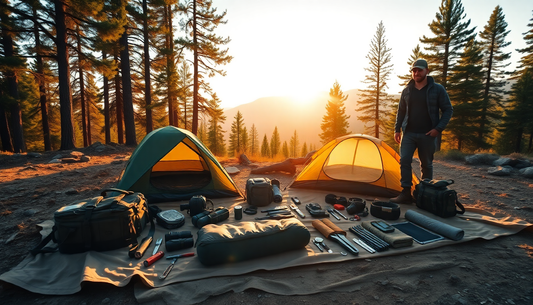

Unlock the Perfect Outdoor Adventure: A Guide to Choosing the Right Tent
When it comes to outdoor adventures, few decisions are as important as selecting the right tent. Whether you're planning a weekend camping trip in your local state park, embarking on a multi-week backpacking expedition through remote wilderness, or establishing a base camp for mountain climbing, your tent will be your home away from home. It's the shelter that protects you from the elements, provides security, and offers a comfortable space to rest after a day of exploration. Choosing the wrong tent can turn an exciting adventure into a miserable experience, while selecting the perfect one can enhance your outdoor journey in countless ways.
The process of choosing a tent might seem overwhelming at first. With countless brands, styles, sizes, and features available on the market, it's easy to feel confused about where to start. However, by understanding the key factors that influence tent selection and learning about the different types available, you can make an informed decision that aligns with your specific needs and budget. This comprehensive guide will walk you through everything you need to know about selecting the right tent for your outdoor adventures.
Understanding Your Camping Style and Needs
Before you start comparing specific tent models, it's crucial to understand your own camping style and what you'll actually need from a tent. Different camping scenarios require different tent features, and what works perfectly for one type of adventure might be completely inadequate for another.
Car Camping vs. Backpacking
One of the first distinctions to make is whether you'll be car camping or backpacking. Car camping means you'll be driving to your campsite and can afford to bring heavier, bulkier gear since you don't need to carry it on your back. In this scenario, you might prioritize comfort and spaciousness over weight and packability. A larger family tent with multiple rooms and standing height might be ideal.
Backpacking, on the other hand, requires you to carry your tent on your back for extended distances. In this case, weight becomes a critical factor. You'll want a lightweight tent that packs down small, even if it means sacrificing some interior space or comfort features. The difference between a five-pound tent and a ten-pound tent might not seem significant until you're hiking uphill for eight hours with it on your back.
Season and Climate Considerations
The season and climate where you'll be camping significantly impacts your tent requirements. Summer camping in mild climates requires different features than winter camping in harsh conditions or three-season camping in variable weather.
Summer tents can be lighter and more breathable since you won't need heavy insulation or protection from extreme cold. They can have more mesh panels to allow air circulation and reduce condensation. However, if you're camping in areas with intense sun, you'll want good UV protection and possibly a darker color to reduce interior heat.
Three-season tents are designed to handle spring, summer, and fall conditions. They provide better weather protection than summer tents while remaining relatively lightweight. Most recreational campers find three-season tents to be the most versatile choice.
Winter tents are specifically engineered for cold weather and heavy snow loads. They have reinforced frames, stronger materials, and better insulation properties. These tents are heavier and more expensive, but they're essential if you plan to camp in winter conditions. Attempting to use a summer tent in winter can be dangerous, as it won't provide adequate protection from the elements.
Duration and Frequency of Use
How often you'll camp and for how long also influences your tent choice. If you're a casual camper who goes out a few times per year for weekend trips, you might not need to invest in the most expensive, high-performance tent on the market. A mid-range tent from a reputable manufacturer will likely serve you well.
However, if you're planning to camp frequently or undertake extended expeditions, investing in a higher-quality tent is worthwhile. A better tent will last longer, perform more reliably in challenging conditions, and provide greater comfort during extended stays. The cost per use becomes much more reasonable when you're using the tent dozens of times per year.
Tent Types and Designs
Tents come in various shapes and designs, each with distinct advantages and disadvantages. Understanding the different types will help you narrow down your options based on your specific needs.
Dome Tents
Dome tents are among the most popular designs for recreational camping. They feature a rounded, dome-shaped structure created by two or more curved poles that cross at the top. This design offers several advantages: it's relatively easy to set up, provides good interior space for the footprint size, and handles wind well due to its aerodynamic shape.
Dome tents typically accommodate two to four people comfortably, though larger versions exist. They're versatile enough for three-season camping and work well for both car camping and backpacking. The main disadvantage is that they don't offer much headroom at the edges, and the curved walls can make efficient use of interior space challenging.
Tunnel Tents
Tunnel tents feature a long, tube-like structure with poles running perpendicular to the length of the tent. This design maximizes interior space and headroom, making them excellent for extended camping trips where comfort is important. Tunnel tents are particularly popular for expedition camping and mountaineering.
The streamlined shape of tunnel tents makes them very wind-resistant when oriented correctly, and they're generally lighter than dome tents of similar capacity. However, they require more careful setup and orientation relative to wind direction. They also tend to be longer and narrower, which might not fit all campsite configurations.
Geodesic and Geodetic Tents
These advanced designs use multiple poles that intersect at various points, creating a structure that's exceptionally strong and stable. Geodesic tents are nearly spherical, while geodetic tents are slightly more elongated. These designs are excellent for extreme conditions and high-altitude mountaineering.
The main advantages are superior wind resistance, excellent snow load capacity, and exceptional durability. The disadvantages include higher cost, more complex setup, and heavier weight compared to simpler designs. These tents are typically only necessary for serious mountaineers and expedition campers.
A-Frame and Ridge Tents
These traditional tent designs feature a simple triangular or ridge-shaped profile. They're lightweight, easy to set up, and work well for backpacking. However, they offer less interior space than dome or tunnel designs and can be less stable in high winds.
A-frame tents are often used for ultralight backpacking and are popular among minimalist campers. They're an excellent choice if weight is your primary concern and you don't mind sacrificing some comfort and space.
Bell Tents and Canvas Tents
Bell tents and canvas tents represent a different category altogether. These are typically larger, heavier structures designed for glamping or extended base camps. They offer exceptional comfort and spaciousness but require car camping access and significant setup effort.
Canvas tents are durable, breathable, and can last for decades with proper care. They're popular for family camping, safari camps, and permanent or semi-permanent installations. However, they're expensive, heavy, and require more maintenance than modern synthetic tents.
Key Tent Features and Specifications
Once you've identified the general type of tent that suits your needs, it's time to evaluate specific features and specifications that will impact your camping experience.
Capacity
Tent capacity ratings indicate how many people the tent is designed to accommodate. However, it's important to understand that manufacturers often rate tents optimistically. A tent rated for four people might feel quite cozy with four adults and their gear.
When choosing capacity, consider not just the number of people but also the amount of gear you'll be storing inside. If you're backpacking, you'll need space for backpacks. If you're car camping, you might want extra space for comfort. A good rule of thumb is to choose a tent with a capacity one size larger than the number of people who will be sleeping in it.
Weight and Packed Size
For backpackers, weight is a critical consideration. Modern ultralight tents can weigh as little as two to three pounds, while traditional tents might weigh eight to twelve pounds. The weight difference significantly impacts your hiking experience, especially on long treks.
Packed size is equally important for backpackers. A tent that compresses to a small package is easier to fit in a backpack and distribute weight evenly. Car campers can be less concerned with weight and packed size but might still appreciate a compact design for storage at home.
Seasonality Rating
Tents are typically rated for different seasons, which indicates their suitability for various weather conditions. Understanding these ratings helps ensure you choose a tent appropriate for your intended use.
Summer tents are designed for warm weather and typically feature maximum ventilation with large mesh panels. They provide minimal weather protection and are not suitable for cold or wet conditions.
Three-season tents are the most versatile and popular choice. They handle spring, summer, and fall conditions well, providing adequate weather protection while remaining relatively lightweight. They're suitable for most recreational camping scenarios.
Four-season tents are engineered for winter camping and harsh conditions. They feature reinforced frames, minimal mesh panels, and better insulation properties. They're heavier and more expensive but essential for winter mountaineering and extreme weather camping.
Floor Area and Interior Height
The floor area determines how much sleeping and storage space you have. A larger floor area provides more comfort but also increases weight and packed size. Consider your sleeping arrangements and how much gear you'll store inside.
Interior height affects comfort, especially if you want to sit up or move around inside the tent. Tents with higher ceilings are more comfortable for extended stays but tend to be heavier and less aerodynamic. For backpacking, you might accept lower headroom to save weight.
Ventilation and Condensation Control
Proper ventilation is crucial for managing condensation, which occurs when warm, moist air inside the tent meets the cool tent fabric. Condensation can make your sleeping bag damp and uncomfortable.
Good ventilation is achieved through multiple vents, mesh panels, and proper air circulation. Look for tents with vents at both the top and sides, and consider how the tent's design promotes air movement. Some tents feature advanced ventilation systems specifically designed to minimize condensation.
Waterproofing and Weather Protection
The tent's ability to keep you dry is paramount. The tent floor should be completely waterproof to prevent ground moisture from seeping in. The rainfly, which covers the tent body, should be made from waterproof material with sealed seams.
Look for tents with a high hydrostatic head rating, which measures water resistance. A rating of 1500mm or higher is generally considered waterproof for the rainfly, while the floor should have a rating of 5000mm or higher.
Sealed seams are critical because water can seep through stitching holes. Quality tents have sealed seams on both the tent body and rainfly. Some tents feature taped seams, which are more durable and reliable than sealed seams alone.
Pole Material and Design
Tent poles are typically made from aluminum or fiberglass. Aluminum poles are lighter, more durable, and more common in quality tents. Fiberglass poles are heavier and less durable but are sometimes used in budget tents.
The pole design affects the tent's stability and interior space. More poles generally mean better stability and wind resistance but also increased weight. Modern designs use fewer, strategically placed poles to balance stability with weight.
Material Considerations
The materials used in tent construction significantly impact durability, weight, weather resistance, and cost. Understanding different materials helps you make an informed choice.
Tent Fabric
The tent body is typically made from nylon or polyester. Nylon is lighter and more durable, making it popular for quality backpacking tents. Polyester is heavier but more resistant to UV damage and mildew, making it suitable for tents that will be stored in sunlight or damp conditions.
The fabric's denier rating indicates its thickness and durability. Higher denier fabrics are more durable but also heavier. Backpacking tents typically use 20-40 denier fabric, while car camping tents might use 75+ denier fabric.
Rainfly Material
Rainflies are typically made from polyester or nylon coated with polyurethane or silicone. Polyurethane coatings are less expensive but can degrade over time with UV exposure. Silicone coatings are more durable and UV-resistant but more expensive.
The coating's thickness, measured in grams per square meter (gsm), affects waterproofing and durability. Higher gsm ratings provide better waterproofing but also increase weight.
Floor Material
The tent floor must be completely waterproof and durable enough to withstand abrasion from gear and movement. Most quality tents use polyethylene or reinforced nylon for the floor. The floor should be thicker and more durable than the tent body, typically 70+ denier.
Ventilation and Condensation Management
Condensation is one of the most common complaints among tent campers. Understanding how to manage it through proper tent design and use is essential for a comfortable camping experience.
How Condensation Forms
Condensation occurs when warm, moist air inside the tent meets the cool tent fabric. Your body releases moisture through respiration and perspiration, and this moisture-laden air rises and contacts the cooler tent walls and ceiling. When the air cools below its dew point, moisture condenses into water droplets.
This process is inevitable in tents, but proper ventilation can minimize it. The key is to allow moist air to escape before it condenses.
Ventilation Features
Quality tents incorporate multiple ventilation features to manage condensation. These include:
Roof vents positioned at the highest point of the tent allow warm, moist air to escape. These vents should be positioned away from the prevailing wind direction to prevent rain from entering.
Side vents near the base of the tent promote air circulation and allow fresh air to enter. These vents should be positioned on the leeward side of the tent to avoid wind-driven rain.
Mesh panels allow air circulation while keeping insects out. Larger mesh panels provide better ventilation but might reduce privacy and warmth retention.
Rainfly design affects ventilation. A rainfly that doesn't completely cover the tent body allows air to circulate between the tent and rainfly. However, this design offers less weather protection than a fully covering rainfly.
User Practices for Condensation Control
Even with excellent ventilation features, user practices significantly impact condensation. Keep vents open whenever possible, even in cool weather. The slight temperature loss is worth the improved ventilation.
Avoid cooking inside the tent, as this introduces significant moisture. If you must cook inside, ensure excellent ventilation. Wipe down the tent interior if condensation accumulates, and ensure your sleeping bag and clothing are as dry as possible before entering the tent.
Setting Up and Ease of Use
A tent that's difficult to set up can quickly become frustrating, especially after a long day of hiking or in poor weather conditions. Ease of setup is an important consideration, particularly for backpackers who might be setting up camp in various conditions.
Setup Complexity
Modern tents are generally designed for quick, intuitive setup. Dome tents and tunnel tents are typically easier to set up than geodesic designs. Look for tents with color-coded poles and clear instructions.
Some tents feature clip attachments that connect the tent body to the poles, while others use sleeves. Clip attachments are generally faster and easier to use. Sleeves are slightly more secure but require more time to set up.
Freestanding vs. Staked Tents
Freestanding tents can stand independently without staking, though staking is still recommended for stability and weather resistance. Freestanding designs offer flexibility in campsite selection and are easier to move if needed.
Non-freestanding tents require staking to maintain their shape and stability. These designs are typically lighter and more weather-resistant but require suitable ground conditions and stakes.
Stake Quality and Included Accessories
The quality of included stakes varies significantly. Cheap stakes bend easily and don't hold well in various soil types. Quality stakes are made from aluminum or steel and feature designs that work well in different ground conditions.
Consider whether the tent includes a footprint or ground sheet. These accessories protect the tent floor from abrasion and moisture, extending the tent's lifespan. They also reduce condensation by providing insulation from the ground.
Durability and Longevity
A quality tent is an investment, and understanding factors that affect durability helps you choose a tent that will last for years of adventures.
Material Quality
The quality of materials directly impacts durability. Premium tents use higher denier fabrics, better coatings, and reinforced stress points. While these tents cost more initially, they often provide better value over time through superior longevity.
Construction Quality
Look for tents with reinforced stress points, such as pole attachment points and corner seams. Double-stitched seams are more durable than single-stitched seams. Quality tents feature consistent, even stitching throughout.
Brand Reputation and Warranty
Established tent manufacturers with good reputations typically produce more durable tents. Research brand reviews and customer feedback to understand real-world durability. Many quality tent manufacturers offer multi-year warranties, which indicates confidence in their products.
Maintenance and Care
Proper maintenance significantly extends tent lifespan. Clean your tent after each trip, allow it to dry completely before storage, and store it in a cool, dry location. Avoid exposing the tent to prolonged sunlight, which degrades materials over time.
Periodically inspect your tent for damage and repair small issues before they become major problems. Many manufacturers offer repair services or sell repair kits for their