
The Ultimate Camping Checklist: Essential Gear and Supplies You Cannot Afford to Miss
Camping is one of the most rewarding outdoor activities you can experience. Whether you're a seasoned adventurer or a first-time camper, proper preparation is absolutely essential to ensure your trip is safe, comfortable, and enjoyable. The difference between a memorable camping experience and a miserable one often comes down to whether you've packed the right gear and supplies. This comprehensive guide will walk you through everything you need to know about preparing for a camping trip, with detailed checklists covering every category of essential items.
Understanding the Importance of Proper Preparation
Before we dive into the specific items you'll need, it's important to understand why preparation matters so much when it comes to camping. Unlike staying at a hotel or resort, camping puts you in direct contact with nature, which means you're responsible for providing yourself with shelter, warmth, food, and safety. When you're miles away from civilization, there's no running to the store if you forget something important, and there's no calling maintenance if your tent develops a leak.
Proper preparation serves multiple critical functions. First, it ensures your physical safety and comfort in an outdoor environment. Second, it allows you to focus on enjoying nature rather than worrying about basic needs. Third, it prevents expensive mistakes and the need for emergency rescues. Fourth, it demonstrates respect for the natural environment by ensuring you can camp responsibly and leave no trace.
The key to successful camping preparation is creating a comprehensive checklist tailored to your specific camping style, destination, and duration. This blog post provides that foundation, but remember that you may need to customize it based on your unique circumstances.
Shelter and Sleep System Essentials
Your shelter and sleep system are arguably the most critical components of your camping setup. These items protect you from the elements and provide the rest you need to enjoy your camping experience.
Tent Selection and Setup
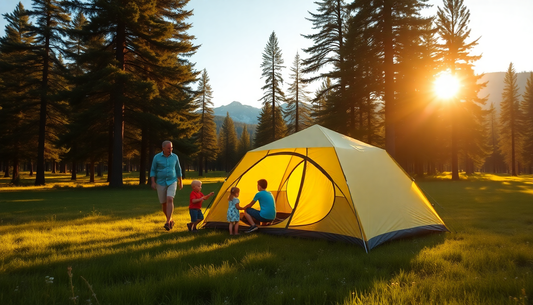
The tent is your primary defense against wind, rain, and insects. When choosing a tent, consider the season you'll be camping in, the expected weather conditions, and the number of people who will be sleeping inside. A three-season tent is suitable for spring, summer, and fall camping, while a four-season tent is designed for winter conditions and high-altitude camping.
Your tent checklist should include:
- A tent appropriate for your camping season and expected weather
- A footprint or ground sheet to protect the tent floor from punctures and moisture
- Stakes for securing the tent to the ground (bring extras in case some bend or break)
- A mallet or hammer for driving stakes into hard ground
- Guylines for additional stability in windy conditions
- Repair tape for emergency tent repairs
- A tent bag or stuff sack for storage and transport
Before your trip, set up your tent at home to familiarize yourself with the process. This practice run will help you identify any missing parts and ensure you understand how everything works before you're setting up in the dark at a campsite.
Sleeping Bags and Pads
A quality sleeping bag rated for the expected temperatures is essential for a good night's sleep. Sleeping bags are rated by temperature, indicating the lowest temperature at which the bag will keep an average sleeper warm. It's wise to choose a bag rated for temperatures lower than what you expect, as ratings can be optimistic.
Your sleeping system should include:
- A sleeping bag with an appropriate temperature rating
- A sleeping pad for insulation from the cold ground and added comfort
- A pillow or pillow case (you can stuff a regular pillow case with clothes)
- Sleeping bag liner for added warmth and easier cleaning
- A stuff sack for compressing and storing your sleeping bag
The sleeping pad serves double duty: it insulates you from the cold ground and provides cushioning for comfort. Foam pads are affordable and durable, while inflatable pads offer better comfort and packability. Many experienced campers bring two pads for extra insulation and comfort.
Clothing and Personal Protection
Proper clothing is crucial for staying comfortable and safe while camping. The key principle is layering, which allows you to adjust your clothing to match changing temperatures and activity levels.
Base Layers and Insulation
Base layers are the foundation of your camping wardrobe. These should be made from moisture-wicking materials like merino wool or synthetic fabrics, not cotton, which retains moisture and loses its insulating properties when wet.
Your clothing checklist should include:
- Multiple pairs of moisture-wicking socks (bring more than you think you'll need)
- Moisture-wicking base layer shirts and pants
- Insulating mid-layer fleece or wool sweaters
- A waterproof and windproof outer shell jacket
- Waterproof pants or rain pants
- A warm hat or beanie for cold nights
- Gloves or mittens for cold weather camping
- Underwear (bring more than you'll need for your trip length)
- A lightweight long-sleeve shirt for sun protection
- Shorts for warm days
- Comfortable hiking boots that are already broken in
- Camp shoes or sandals for around the campsite
- A swimsuit if you'll be near water
Sun and Insect Protection
Protection from the sun and insects is often overlooked but incredibly important for comfort and health.
Include in your personal protection kit:
- High SPF sunscreen (SPF 30 or higher)
- Lip balm with SPF protection
- Insect repellent containing DEET or picaridin
- A hat with a brim for sun protection
- Sunglasses with UV protection
- A lightweight long-sleeve shirt for sun protection while hiking
Cooking and Food Supplies
Proper nutrition is essential for maintaining energy and morale while camping. Your cooking setup and food choices will depend on the length of your trip and your camping style.
Cooking Equipment
Your cooking equipment needs to be portable, durable, and appropriate for your camping style. Whether you're car camping with access to a picnic table or backpacking with minimal weight, you'll need basic cooking tools.
Essential cooking equipment includes:
- A camping stove or portable grill appropriate for your camping style
- Fuel for your stove (bring extra)
- Cookware including pots, pans, and a kettle
- Cooking utensils such as spatulas, tongs, and spoons
- Plates, bowls, and cups
- Eating utensils (forks, spoons, knives)
- A cutting board and sharp knife
- A can opener
- Matches or a lighter in a waterproof container
- Aluminum foil for cooking and cleanup
- Cooking oil or cooking spray
- Salt, pepper, and other basic seasonings
- Dish soap and a scrubbing pad
- Dish towels and cleaning cloths
- A trash bag for waste management
Food and Beverages
Planning your meals in advance ensures you have everything you need and helps prevent food waste. Choose foods that are shelf-stable, require minimal preparation, and provide good nutrition.
Your food and beverage checklist should include:
- Breakfast items such as oatmeal, granola, or breakfast bars
- Lunch items such as trail mix, jerky, energy bars, or sandwich ingredients
- Dinner items such as pasta, rice, canned vegetables, and protein sources
- Snacks such as nuts, dried fruit, and chocolate
- Coffee, tea, or other hot beverages
- Water or electrolyte drinks
- Salt and other seasonings
- Cooking oil
- Butter or margarine
- Sugar or honey for sweetening beverages
- Powdered milk if needed
- Any special dietary items or medications
Remember to pack foods in bear-proof containers or hang them from a bear bag if you're camping in bear country. Never leave food unattended at your campsite.
Safety and First Aid
Safety should always be your top priority when camping. A well-stocked first aid kit and knowledge of basic safety practices can prevent minor issues from becoming major problems.
First Aid Kit Essentials
Your first aid kit should be comprehensive but portable. Include:
- Adhesive bandages in various sizes
- Gauze pads and medical tape
- Elastic bandages for sprains
- Antibiotic ointment
- Pain relievers such as ibuprofen or acetaminophen
- Antihistamine for allergic reactions
- Anti-diarrheal medication
- Antacid tablets
- Hydrocortisone cream for itching
- Tweezers for removing splinters
- Scissors
- Thermometer
- Blister treatment supplies
- Sunburn relief gel
- Insect bite relief cream
- Any personal medications you require
- A first aid instruction manual
Safety Equipment and Tools
Beyond first aid supplies, you'll need equipment to handle emergencies and basic repairs.
Your safety and tool kit should include:
- A multi-tool or knife
- A flashlight or headlamp with extra batteries
- A whistle for signaling help
- A map and compass of the area
- A GPS device or smartphone with offline maps
- A fire extinguisher (for car camping)
- A rope or paracord
- Duct tape for emergency repairs
- A repair kit for your tent and gear
- A basic tool kit with screwdrivers and pliers
- A headlamp or lantern for the campsite
- Extra batteries for all devices
- A backup power bank for electronic devices
Lighting and Navigation
Proper lighting is essential for safety and functionality at your campsite, especially during the long hours of darkness.
Lighting Equipment
Your lighting setup should include multiple options for different situations.
Include in your lighting kit:
- A headlamp or flashlight for personal use (bring extras)
- Extra batteries for all lighting devices
- A lantern for the campsite
- Fuel for your lantern if applicable
- Glow sticks for emergency lighting
- A backup flashlight or headlamp
- Candles or a candle lantern for ambiance (use with caution)
Navigation Tools
Even if you're camping at a familiar location, navigation tools are essential for safety.
Your navigation kit should include:
- A map of the area
- A compass
- A GPS device or smartphone with offline maps downloaded
- A whistle for signaling
- A mirror for signaling aircraft in emergencies
Hygiene and Sanitation
Maintaining basic hygiene while camping is important for health and comfort. Proper sanitation also demonstrates respect for the natural environment.
Personal Hygiene Items
Your hygiene kit should include:
- Biodegradable soap for washing hands and body
- Toothbrush and toothpaste
- Toilet paper and a small shovel for digging a cathole
- Hand sanitizer for times when water isn't available
- Wet wipes or washcloth
- Towel or quick-dry cloth
- Deodorant
- Feminine hygiene products if needed
- Sunscreen
- Lip balm
- Any personal medications or supplements
- Nail clippers
- A comb or brush
- Shampoo if you'll have access to water for washing hair
Waste Management
Proper waste management is crucial for environmental protection and campsite cleanliness.
Include in your waste management supplies:
- Trash bags for garbage
- A designated container for food waste
- Toilet paper and a small shovel for human waste
- Hand sanitizer for after using the toilet
- Biodegradable soap for washing hands and dishes
- A designated area away from water sources for washing
Clothing and Footwear Considerations
Beyond the basic clothing items mentioned earlier, consider these additional factors when packing your camping wardrobe.
Footwear Strategy
Your feet are critical to enjoying a camping trip, so proper footwear is essential.
Your footwear should include:
- Broken-in hiking boots appropriate for the terrain
- Thick hiking socks (merino wool is ideal)
- Camp shoes or sandals for around the campsite
- Gaiters to keep debris out of your boots
- Shoe insoles for additional comfort and support
- Blister prevention supplies
Weather-Specific Clothing
The specific clothing you need depends on the season and expected weather conditions.
For summer camping, include:
- Lightweight, breathable clothing
- A wide-brimmed hat for sun protection
- Sunglasses
- A lightweight rain jacket
- Shorts and t-shirts
For spring and fall camping, include:
- Layering options for temperature fluctuations
- A warm fleece or wool sweater
- A waterproof jacket
- Long pants
- A hat and gloves for cool mornings and evenings
For winter camping, include:
- Insulated, waterproof boots
- Heavy-duty insulated jacket
- Insulated pants
- Thermal base layers
- Warm hat, gloves, and scarf
- Hand and foot warmers
Entertainment and Comfort Items
While camping is about enjoying nature, some entertainment and comfort items can enhance your experience.
Entertainment Options
Consider bringing:
- Books or e-readers for relaxation
- A journal for recording your experiences
- Playing cards or board games for group entertainment
- A camera for capturing memories
- Binoculars for wildlife watching
- A field guide for identifying plants and animals
- A musical instrument if you play one
- Audiobooks or podcasts for entertainment
Comfort Items
Small comfort items can make a big difference in your camping experience.
Consider including:
- A camping pillow for better sleep
- A blanket for extra warmth and coziness
- A camping chair for comfortable seating
- A hammock for relaxation
- A sleeping bag liner for added warmth and cleanliness
- Earplugs for noise reduction
- An eye mask for better sleep
- A small fan for hot weather camping
- A thermos for keeping beverages at the desired temperature
Documentation and Permits
Before heading to your campsite, ensure you have all necessary documentation and permits.
Your documentation checklist should include:
- Camping reservation confirmation if applicable
- A map of the campground or area
- Contact information for the campground or park
- Emergency contact numbers
- Your vehicle registration and insurance information
- A copy of your driver's license
- Any required permits for the area
- A list of emergency contacts
- Information about local wildlife and hazards
- Weather forecast for your camping dates
Vehicle and Transportation
If you're car camping, ensure your vehicle is properly prepared for the trip.
Your vehicle checklist should include:
- A full tank of gas before heading to the campsite
- Tire pressure checked and adjusted
- Spare tire, jack, and lug wrench
- Jumper cables
- Basic tools for roadside repairs
- Flares or warning triangles
- A first aid kit for the vehicle
- An emergency kit with blankets and water
- A phone charger for your vehicle
- Maps or GPS navigation
- Vehicle registration and insurance documents
Specialized Gear for Specific Activities
Depending on your planned activities, you may need additional specialized gear.
Hiking and Backpacking Gear
If you plan to hike or backpack:
- A backpack appropriate for your trip length
- Trekking poles for reducing strain on knees
- Gaiters to keep debris out of your boots
- A hydration system or water bottles
- Water purification tablets or a filter
- A map and compass
- A headlamp for early morning or evening hikes
Water Activities
If you plan to swim, kayak, or fish:
- A swimsuit and water shoes
- A dry bag for protecting electronics
- A life jacket if kayaking
- Fishing gear if planning to fish
- A waterproof camera case
- Quick-dry towels
- Waterproof sunscreen
Climbing or Technical Activities
If you plan technical activities:
- Climbing gear appropriate for your skill level
- A harness and carabiners
- A rope
- A helmet
- Climbing shoes
- A belay device
- Proper training and certification
Seasonal Considerations
Different seasons present different challenges and require different preparations.
Spring Camping
Spring camping can be unpredictable with rapidly changing weather.
Additional spring items:
- Waterproof jacket and pants
- Layers for temperature fluctuations
- Insect repellent for emerging bugs
- Allergy medication if you're sensitive to pollen
- Extra socks for wet conditions
Summer Camping
Summer camping offers warm weather but also intense sun and potential for dehydration.
Additional summer items:
- Extra sunscreen
- A wide-brimmed hat
- Lightweight, breathable clothing
- Extra water and electrolyte drinks
- Cooling towels
- A fan or portable air circulation device
- Insect repellent for mosquitoes and other bugs
Fall Camping
Fall camping offers beautiful scenery but rapidly cooling temperatures.
Additional fall items:
- Warm layers for cool mornings and evenings
- A heavier sleeping bag
- A warm hat and gloves
- Extra blankets
- Hot beverages
- Waterproof jacket for rain
Winter Camping
Winter camping requires specialized gear and training.
Additional winter items:
- A four-season tent designed for winter
- An insulated sleeping pad
- A sleeping bag rated for sub-zero temperatures
- Insulated, waterproof boots
- Heavy-duty insulated jacket and pants
- Thermal base layers
- Hand and foot warmers
- A stove for heating the tent (with proper ventilation)
- Extra fuel for your stove
- Avalanche safety gear if in